Powercat chevron double-chevron chat-purple home computer window with a question mark close facebook linkedin menu search twitter youtube apply-purple apply-white chat-white request-purple request-white
Jump to main contentJump to footer
Kansas State University
  • Canvas
  • OrgCentral
  • Navigate
  • KSIS
  • Time & Leave
  • HRIS
  • Webmail
Sign in
Browse A-Z
Kansas Center for Agricultural Resources and the Environment (KCARE)
  • K-State home
  • Extension
  • KCARE
  • Pubs
  • Water Sources

Water Sources

Pond and Pit

Pond Fencing

Installing a Pipeline through a Pond Dam

Common Questions about Dry Ponds

Spring Development

Stream

Rural Water District – Public Water Supply

Hauled Water

Drilled Well

Intake Structures for Ponds and Streams – Wet Well

Water Sources: Tables and Figures

Waterer Comparison Chart

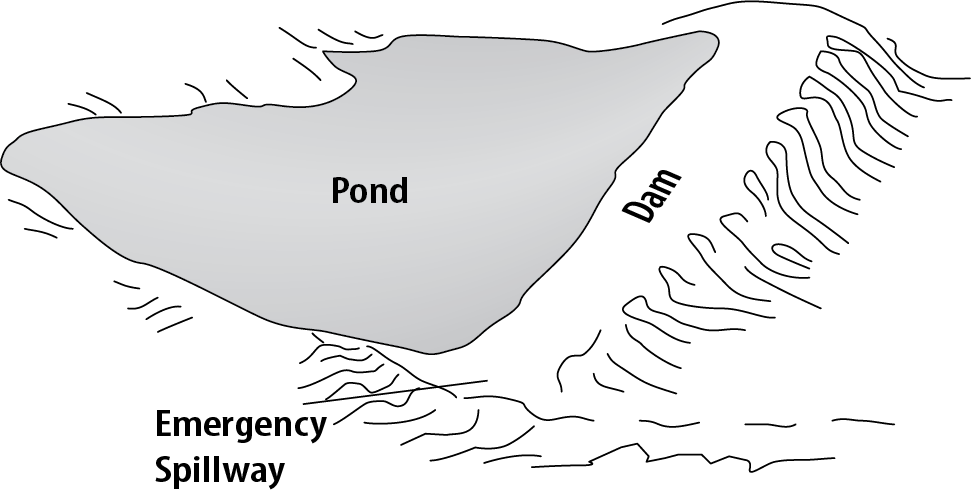
Figure 1: Pond with dam and Spillway

Figure 2a: Installing a line through a dam
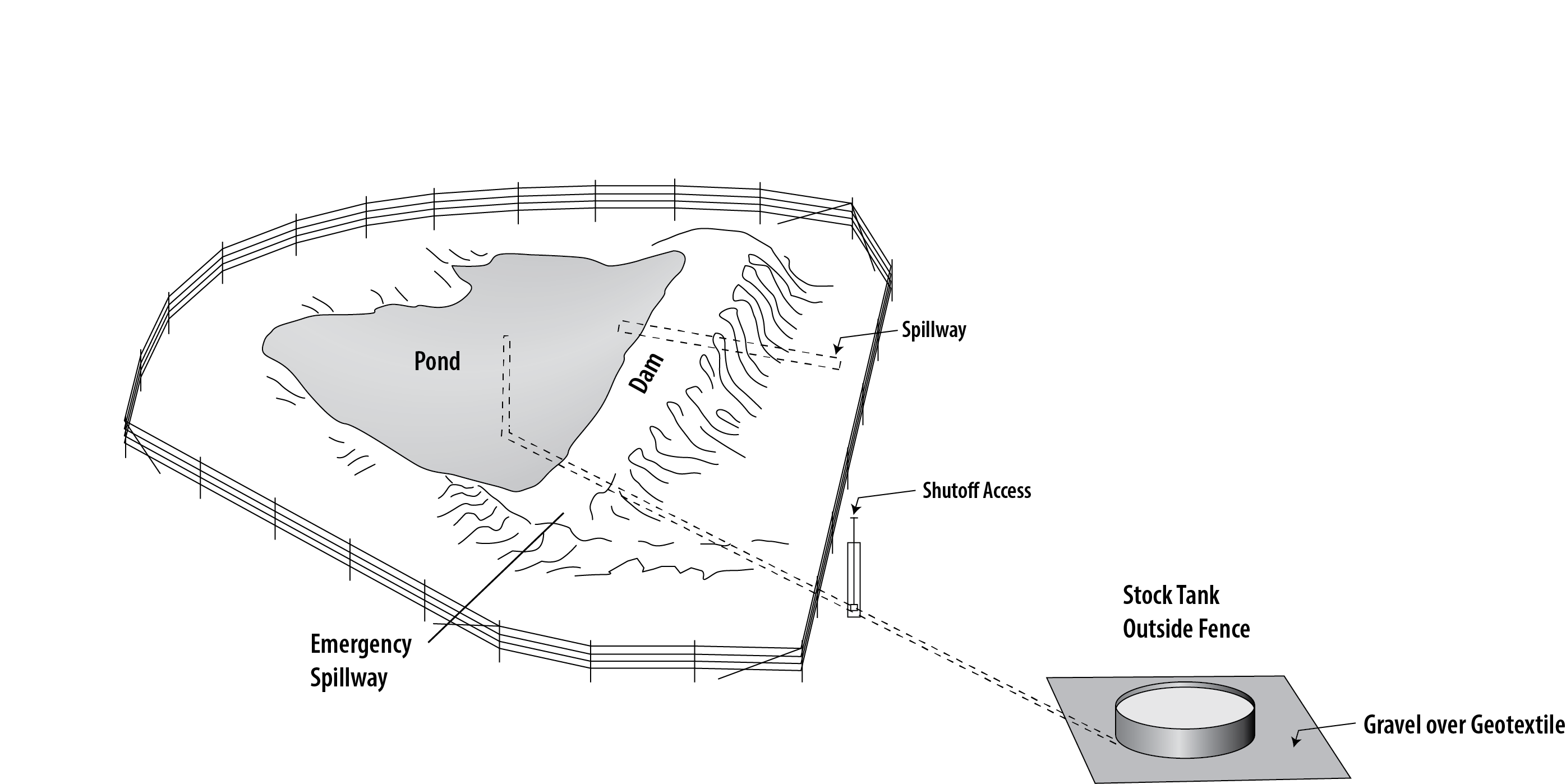
Figure 2b: Cross-section view of line through dam
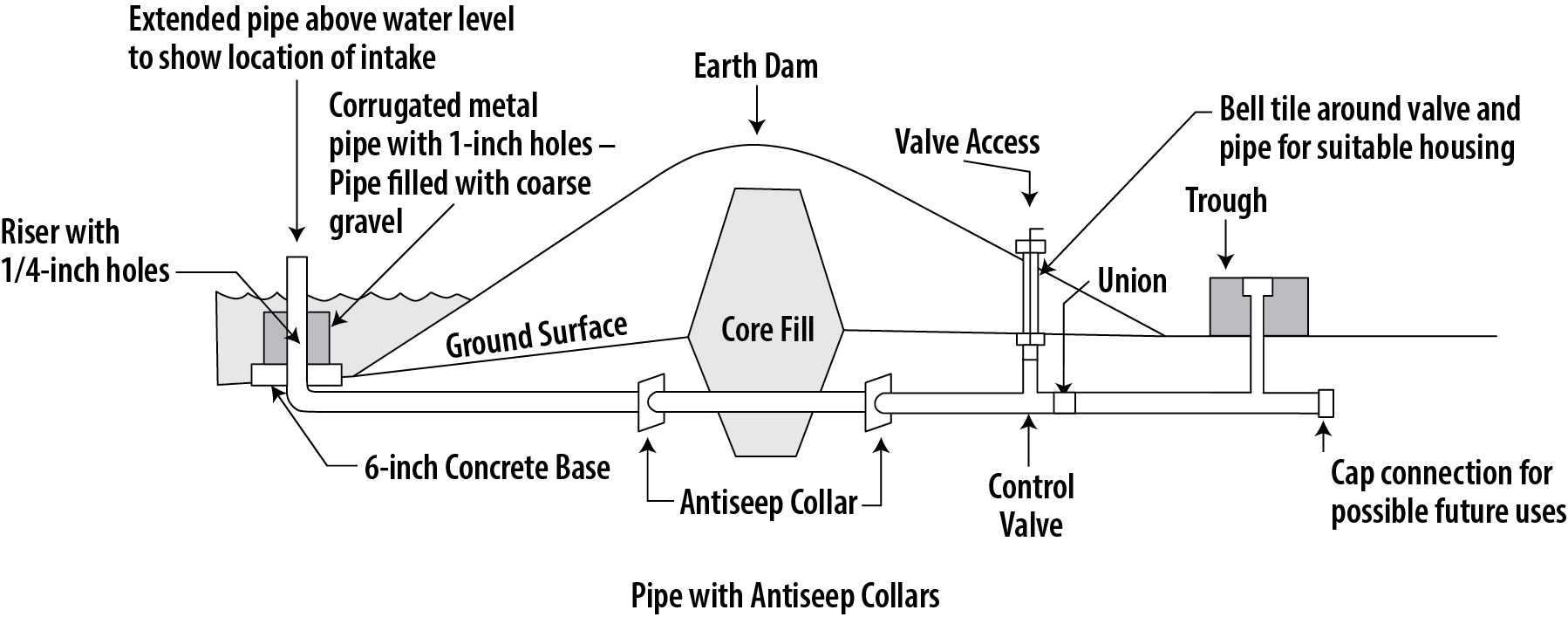
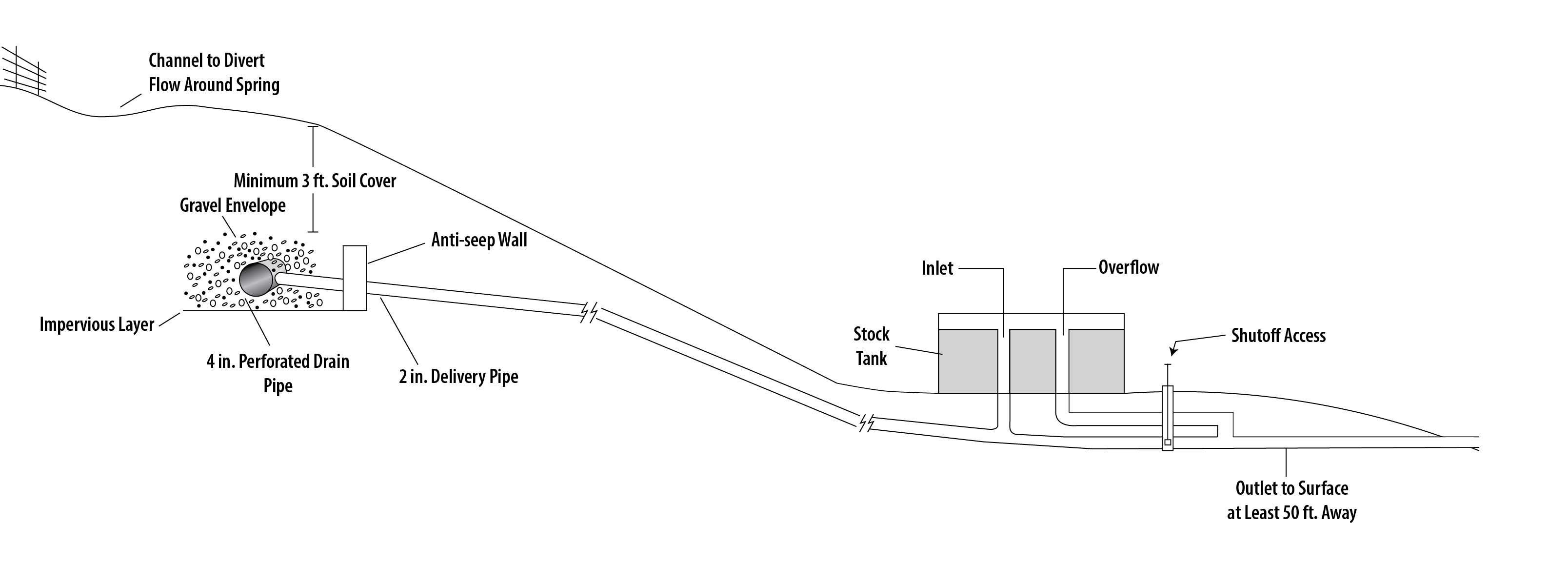
Figure 3a: Spring development

Figure 3b/3c: Spring cross-section and aerial view
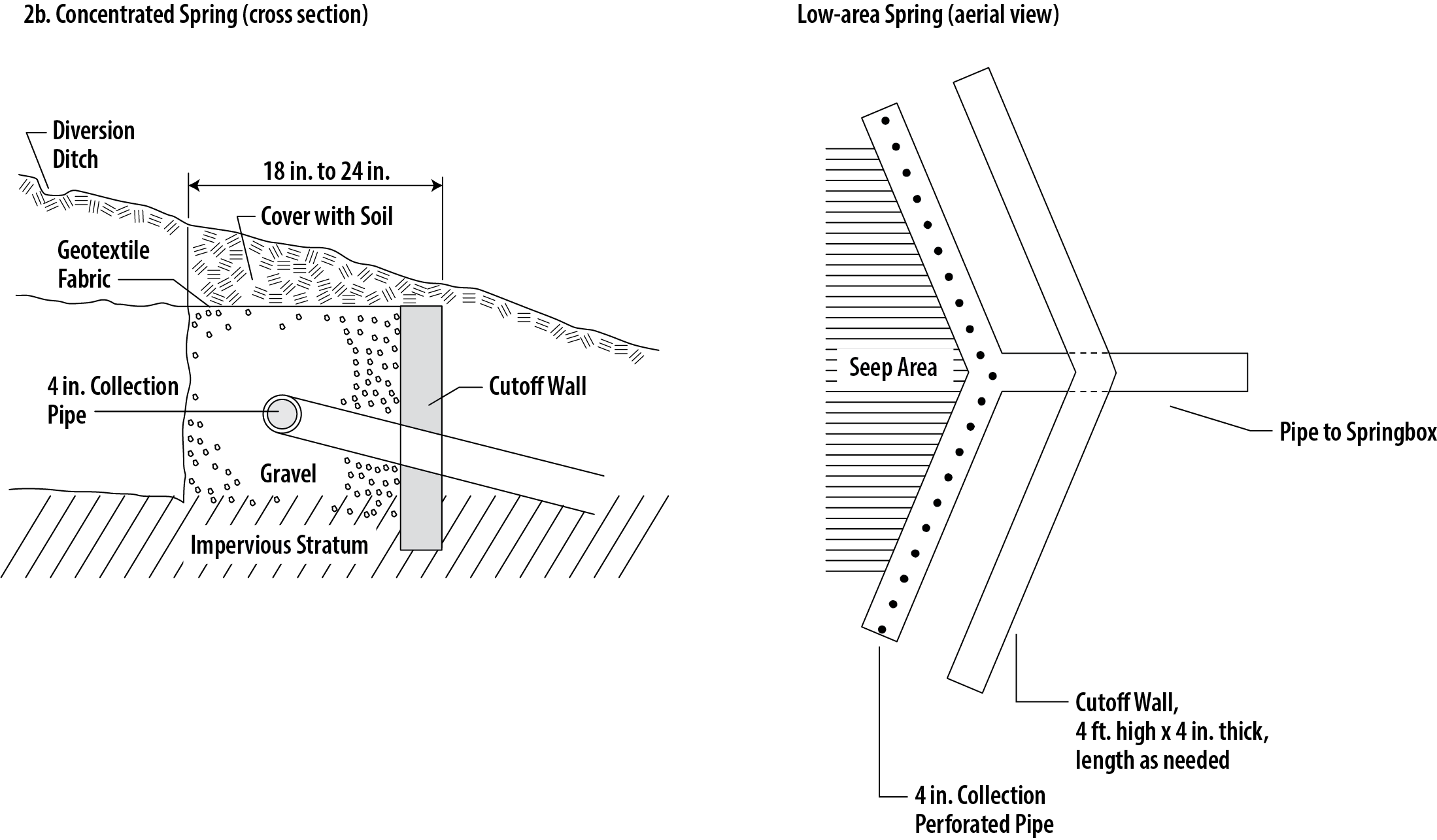
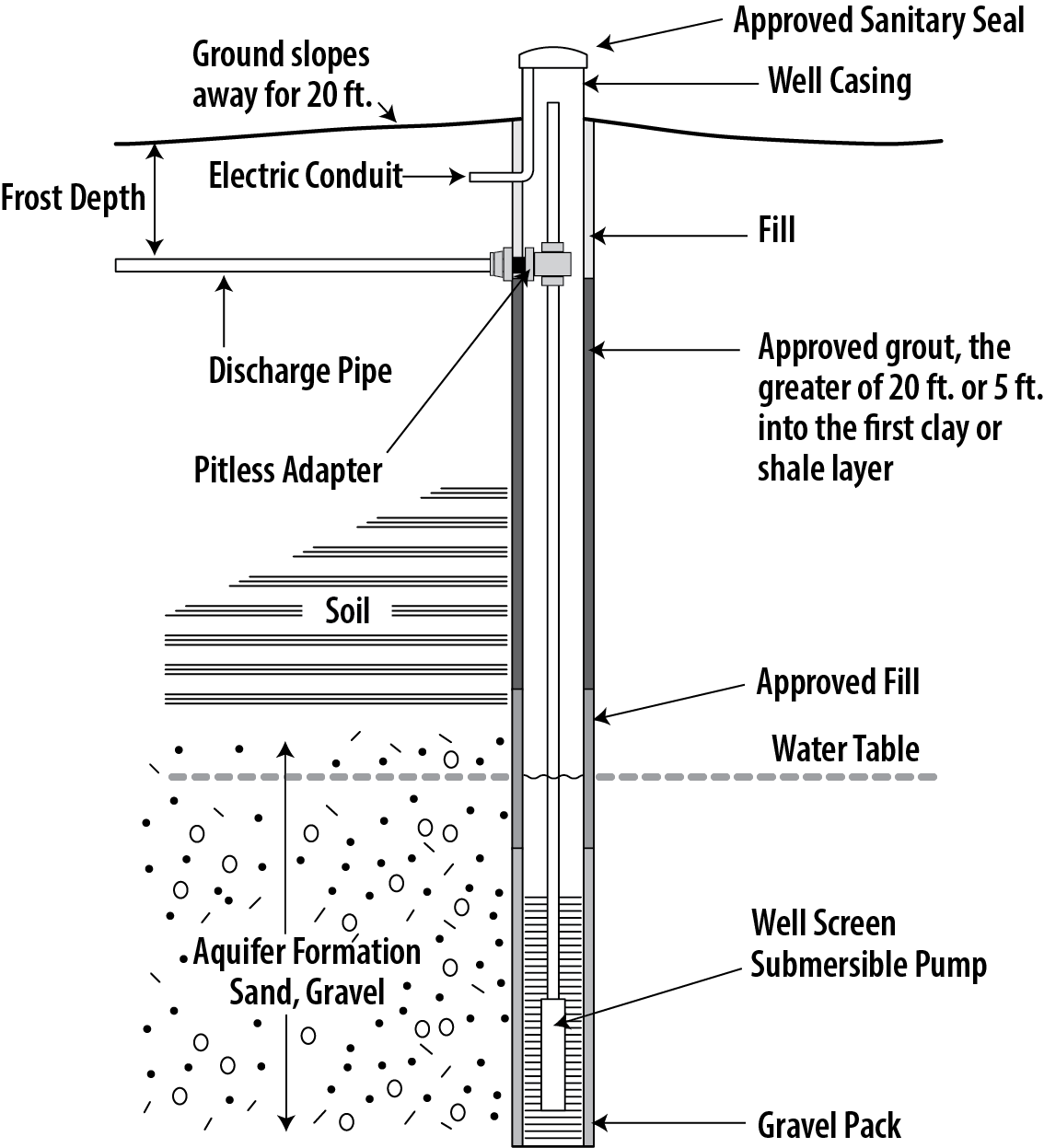
Figure 4: Drilled well

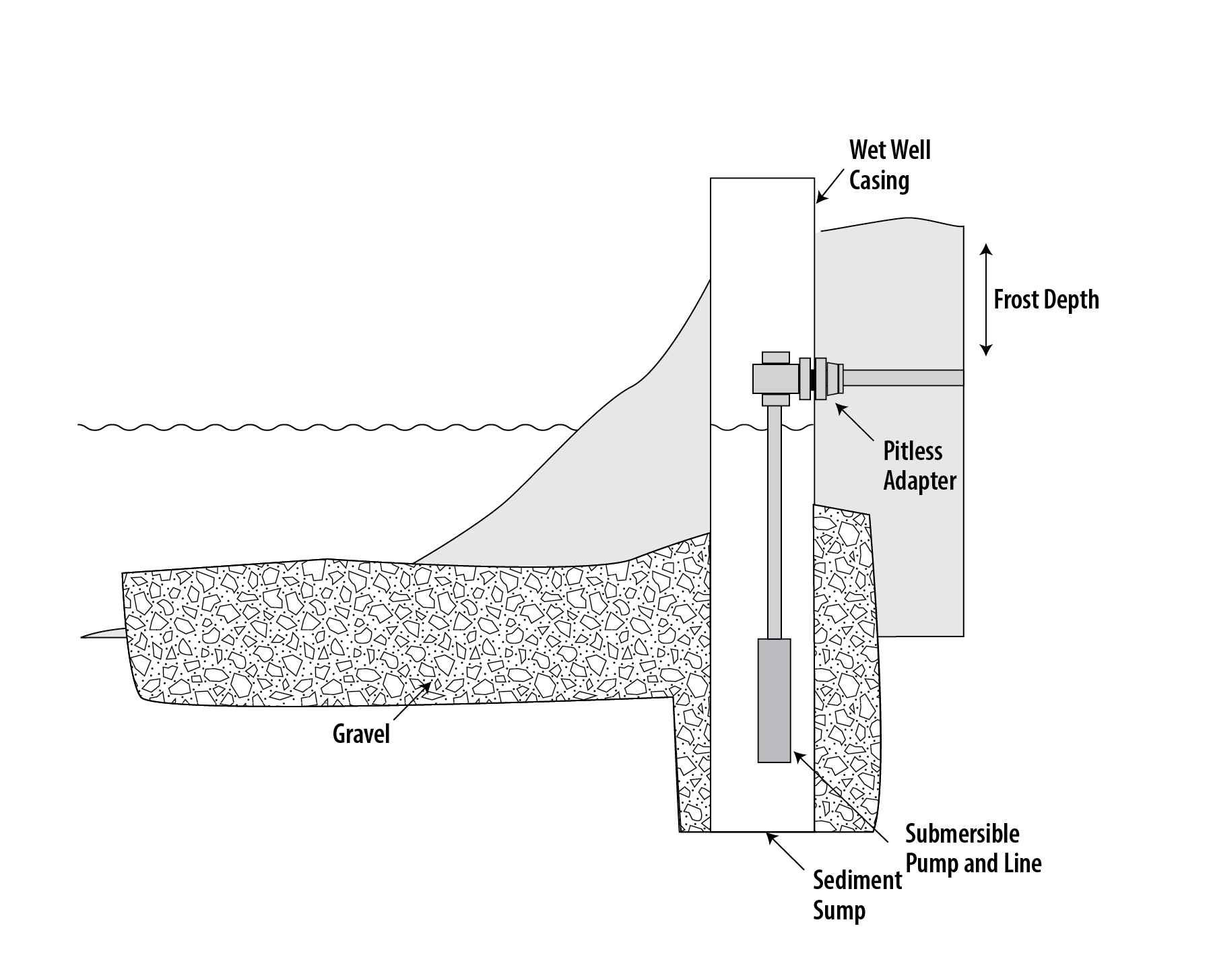
Figure 5a: Wet well (with intake pipe)
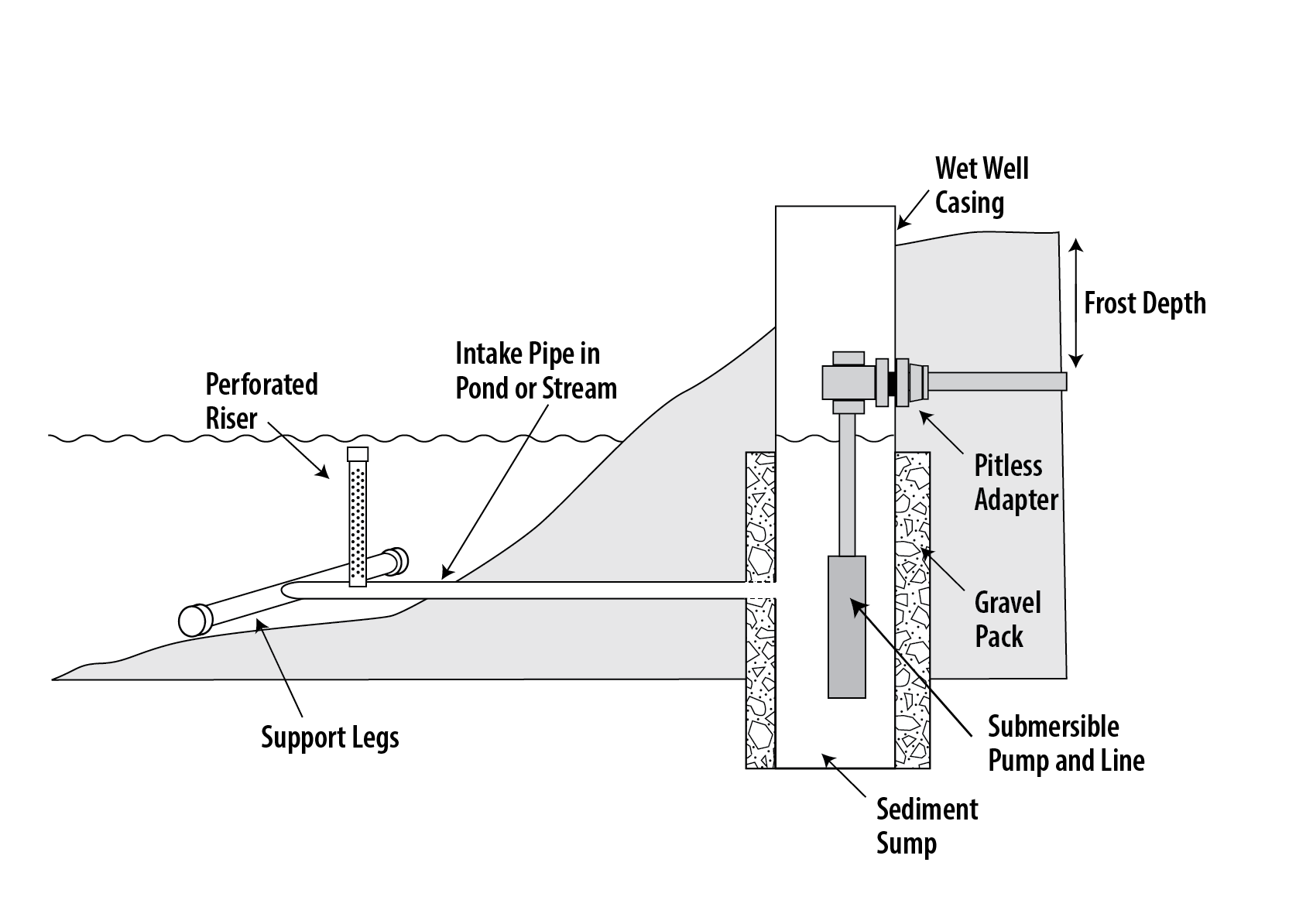
Figure 5b: Wet well

_______

Table 1: Water Quality Constituent Ranges for Cattle

Table 2: Application Rates

Handbook Navigation

Main Page

Introduction

Pumps, Pipelines, and Storage

Livestock Waterers

Grazing

Other Issues: Maintenance and Mangement

KCARE

Kansas Center for Ag Resources and the Environment

114 Waters Hall

1603 Old Claflin Road, Manhattan, KS 66506

kstatekcare@ksu.edu

Kansas State University
  • Contact Us
  • Emergency
  • Statements and Disclosures
  • Accessibility
  • Kansas Degree Statistics
  • KBOR Free Expression Statement
  • © Kansas State University
  • Updated
  • Updated: 12/19/25